What is Workplace Conflict?
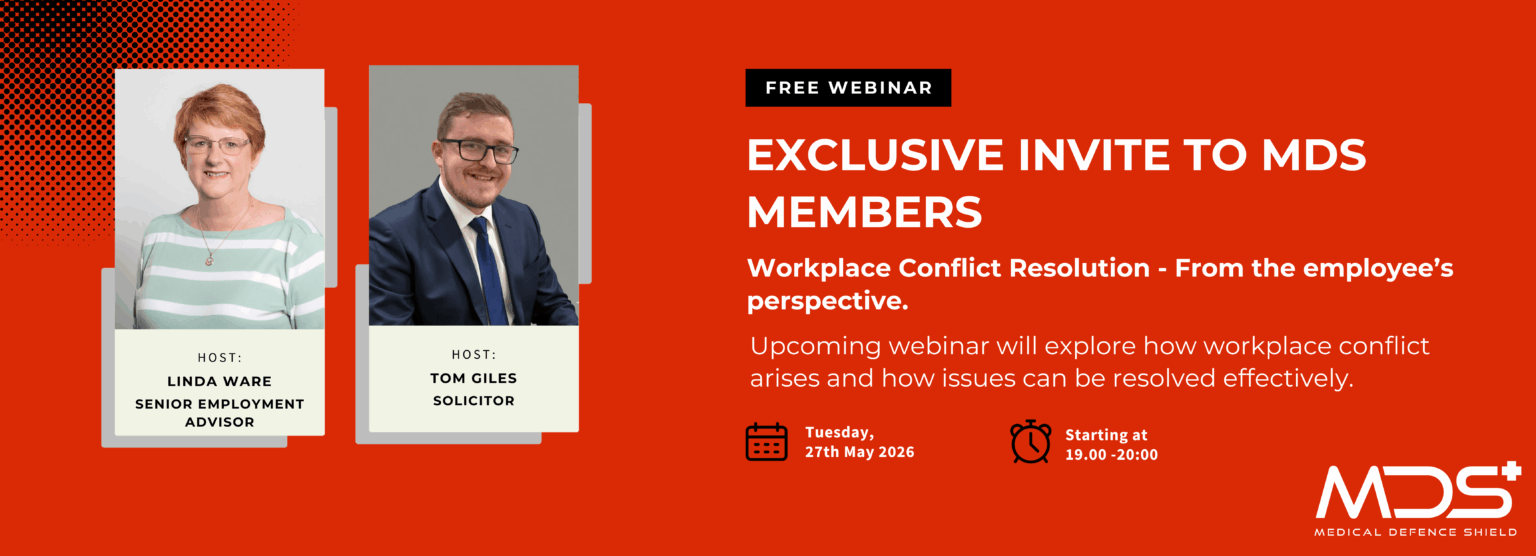
Conflict occurs when individuals or groups have differences in opinions, values, goals, or work styles, leading to tension or disagreement. Conflict is normal, natural, and even necessary; when handled constructively, it can drive innovation and improve decision-making. The hosts clarified that conflict does not mean a workplace is dysfunctional and does not go away when ignored, noting that simply talking about the issue is often the most effective first step.
Causes and Impact
An attendee poll revealed five main causes of conflict: poor communication, differing personalities or work styles, conflicting goals and priorities, limited resources, and stress or burnout. This aligned with a theory identifying five core “ingredients”: diversity of backgrounds, strong differences of opinion, unmet needs (e.g., feeling unheard), perceptions leading to defensiveness, and power dynamics (including actual or perceived misuse of authority).
The way conflict is managed significantly impacts outcomes. Poorly handled conflict leads to decreased productivity, damaged relationships, lower morale, and can compromise patient safety. Constructive resolution, conversely, creates learning opportunities, improves teamwork, prevents recurrence, and fosters a healthier working environment.
Formal NHS Procedures
The NHS has standardized procedures for handling conflict, which include grievances (raising and receiving), MHPS investigations, internal disciplinary proceedings, capability processes, whistleblowing, and freedom to speak up. Trusts must follow regulatory standards set by the GMC and underpinned by ACAS codes of conduct. Failure to follow organizational policies can result in serious legal consequences, such as constructive dismissal claims or escalation to employment tribunals.
Resolution Stages and Wellbeing
Since conflict procedures are deeply stressful, attendees were encouraged to seek support from line managers, colleagues, HR, or occupational health. Resolution follows a clear progression:
- Informal Discussion: The initial stage, which must be followed up with a written record.
- Formal Grievance: If informal efforts fail, the matter escalates to a formal grievance, which should be clear, focused on the issue, its impact, and proposed resolutions.
- Formal Meeting & Appeal: Formal meetings grant the individual the right to be accompanied. The outcome issued can be appealed to a more senior and impartial decision-maker.
Employment Tribunals and Settlements
If internal processes fail, the final option is an employment tribunal. The panel was pragmatic, noting tribunals are adversarial, formal, slow, stressful, often taking years to resolve, and have rigid timelines for claims. Compromise should be integrated at every stage. Settlement agreements can take many forms, including financial compensation, changes in working patterns, or voluntary resignations with a good reference. The ultimate goal of a settlement is for the individual to reach an outcome they can genuinely live with.
Quick Tips for Better Outcomes
Some general principles for navigating conflict: stay calm and professional; remain task-focused and avoid personality conflicts; keep meticulous records at every stage; treat every stage seriously; and learn/follow organizational procedures while challenging any shortfalls in impartiality. The overall objective is always a workable resolution.
If you are a MDS member and you would like to view a recording, get in touch at [email protected].